Building tools that matter
One of those priorities was to address a lack of integrated environmental, health, and community information to guide decisions.
UnHEARD connected the dots between environmental change, community wellbeing, and health equity — especially in smaller communities where data is often limited. Chris’s team reviewed more than 25,000 studies on the community impacts of resource extraction. They also analyzed international best practices to design health equity impact assessment frameworks that could be adapted for BC.
Through a partnership with the Office of Health and Resource Development at Northern Health, they turned that research into practice, including co-developing a set of health indicators tailored to the realities of northern communities. Northern Health uses the information to understand and respond to the impacts of natural resource development.
Another major outcome of the UnHEARD project was the creation of BC Enviro Screen, an interactive mapping tool that shows how environmental, community, and health factors intersect across regions.
“It’s an integrated screening tool that brings together multiple layers of data to show where communities may be most affected by cumulative environmental, social, and health pressures,” explains Chris.
Implications for rural health and equity
For rural and remote communities, the implications of Chris’s work were far-reaching. The UnHEARD project showed that health outcomes were not evenly distributed along the natural resource development chain — and that community voices were essential to understanding and addressing those inequities.
His research underscored how tools like BC Enviro Screen — a first-of-its-kind in Canada — and local health indicators can strengthen public health capacity outside major urban centres. These tools bring together environmental, socioeconomic, and health data to help regional health authorities better understand health inequities. These insights can guide prevention, mitigation, and policy efforts to reduce health risks from industrial activities.
The project also showed that rural communities don’t just provide data — they shape solutions. Their lived experiences and local knowledge guided the development of new frameworks that can influence environmental assessments, land and resource planning, and policy conversations across BC and beyond. Chris’s team is now adapting the BC-based tool for use by Health Canada and in Alberta and Ontario.
A call to act differently
Chris believes Canada — and BC in particular — is at a pivotal time.
“There’s a strong economic push towards maximizing the benefits of resource development in the current geopolitical moment,” he says. “But the benefits of major projects — and the risks — aren’t shared equally for all Canadians.”
Chris hopes that research like UnHEARD will remind decision-makers that they have an obligation to listen, measure, and act equitably — balancing growth with planetary and population health.
“We have a responsibility to plan resource development in the North in ways that are rights-based and inclusive — so that the wellbeing of all communities, not just a few, is part of how we define progress.”
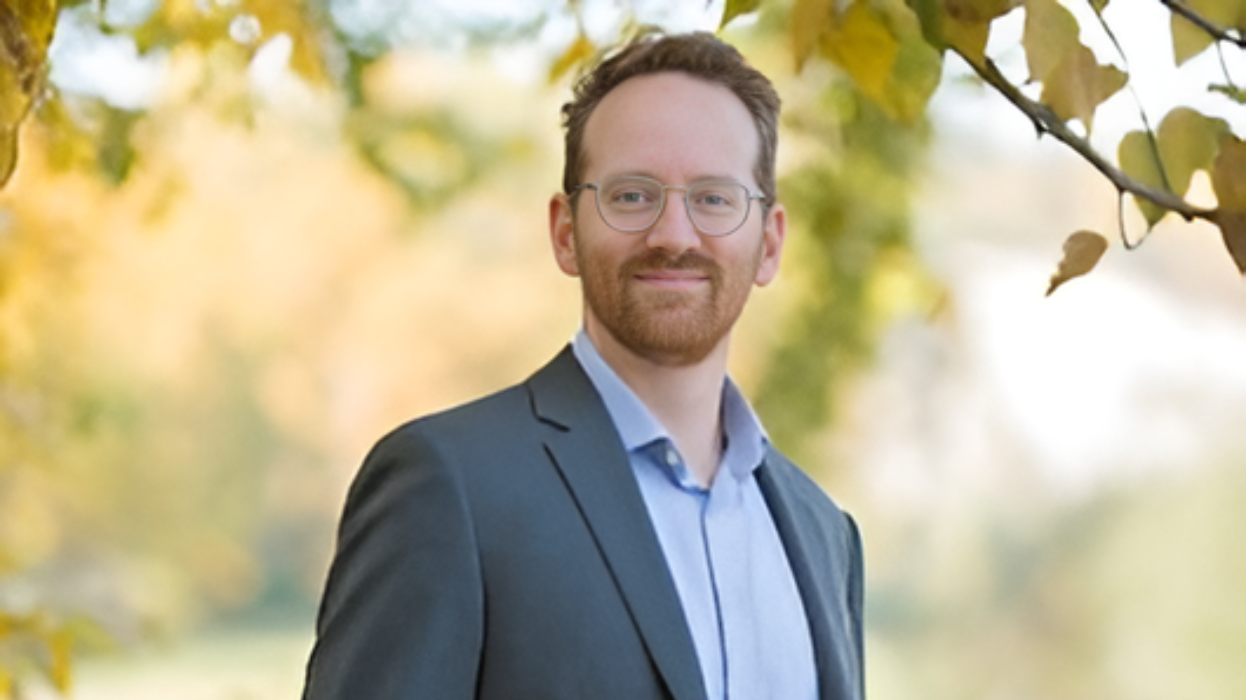
| Dr. Chris Buse was inaugural Lead Researcher for the Cumulative Impacts Research Consortium at the University of Northern British Columbia. He is currently Assistant Professor in the Faculty of Health Sciences at Simon Fraser University. He focuses on environmental health inequities and is the co-lead for the faculty’s Planetary Health Research Challenge Area.
Chris has been supported by Michael Smith Health Research BC through Research Trainee and Scholar awards. |
Learn more
- BC Enviro Screen
- Northern Health’s Office of Health and Resource Development
- University of Northern British Columbia’s Cumulative Impacts Research Consortium
Stay informed
Subscribe to our newsletter and follow us on LinkedIn and Bluesky.